Too much content and not enough time? The solution to that is integrated literacy, integrated literacy, and integrated literacy!! Killing two educational birds with one stone leaves you with no excuses! April is National Poetry Month but any time of year is a great time for reading and writing poems during Social Studies or Language Arts. Here are some easy ways to incorporate more poetry into your Social Studies curriculum or vice versa with Reading instruction. Plus as a bonus, you’re going to capture the attention of your “creatives.” Who knows? You may even spark a life-long interest in poetry in one of your students!
Full disclosure, I started this post in 2018 when I was teaching 5th grade. Yes, for real. I know it’s 2025. I now work in Adult Education with GED and Adult High School students. I know for a fact poetry and speeches can be used with all ages! I use Teddy Roosevelt’s “The Man in the Arena” speech with a College Success Strategies class regularly and an instructor did a poetry unit in a correctional facility and sparked an interest in one of her students! I’ve made some adjustments to the post, but one thing I won’t be including is using AI to write poetry. I don’t think it should be a substitute for creative ventures. I think it should be used to streamline mundane things. So of course you can use ChatGPT to write a poem. Boring. Uncreative. Not in the student’s voice. It’s a no from me.
Let the poetry plethora begin!
Ways to Fit Reading More Poetry Into Instruction
Of course doing a poetry unit would be ideal but you may not have that luxury. Every state and school district within each state is different. One easy idea would be to have an assortment of poetry books available for independent reading, morning work, or for early finishers. Collaborate with your school or public library. I was always on the lookout at Goodwill or garage sales for hidden gems in books when I taught elementary.
Speaking of morning work, I love a theme and it really helped to build a routine and made planning a lot easier on my part. Each day of the week had an alliterative name such as Friday Free Write or Tuesday Tell All. I usually did non-fiction passages on Tuesdays but poetry would work, too. And I still include a 30 minute warm up in the college class I teach because it gives you a softer launch straight into class, it’s the perfect time to answer questions, and students can finish work. I have my students use Padlet to share their Monday Mood. I could see using Padlet to share thoughts on a morning work poem. That way you are incorporating technology as well. Early finishers could create an illustration to go with it. Here’s a post about my “themed” morning work: https://www.thesocialstudieswhisperer.com/2015/10/movement-and-morning-work-mash-up-starting-your-day-with-academics-and-physical-activity/
If you have a prescribed Language Arts curriculum then you don’t have the flexibilty to just throw in poems during Reading instruction. I bet you have more freedom when it comes to teaching Social Studies (fingers crossed) so bring in more poetry there! You could use a poem as a lesson hook or filler activity for down time. Too much idle time is never a good idea, especially in an elementary setting. It’s not good in a High School Equivalency class either haha! Have students skim a poem and try and guess what they will be learning about that day. I am a big fan of a creative attention getter. Pair a primary source photo and a poem.
One thing I loved to do in Social Studies was learning stations aka “centers”. I loved stations in all subjects actually. I would always have one literacy based. Partner reading is a great easy station! Here is a post I wrote about how I used stations in Social Studies: https://www.thesocialstudieswhisperer.com/2019/07/using-learning-stations-in-social-studies/
Use Poems as Close Reading Passages
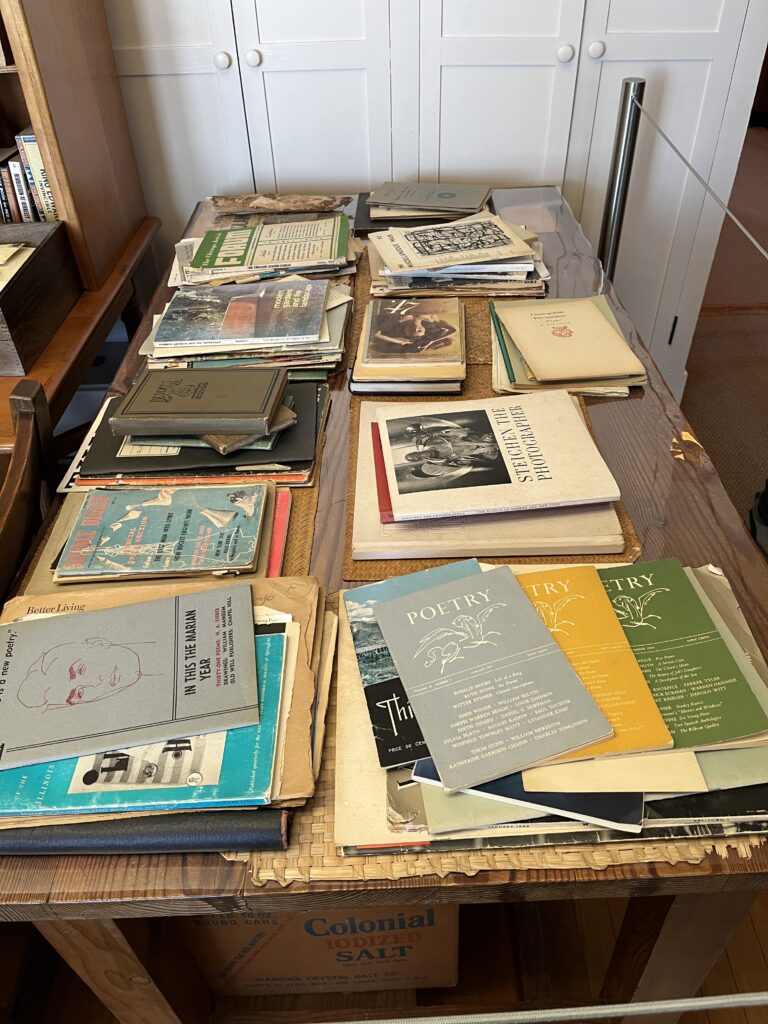
Full disclosure: that photo is at the Carl Sandburg House in Flat Rock, NC not a former classroom. But that’s how I would spread books out!
Having students read primary source poetry really gives them a sense of the time period. Speeches and song lyrics work really well for this, too. It’s a great way to compare and contrast historical events by analyzing tone and mood. Have students draw parallels depending on if it’s a sense of sadness and mourning, inspiration, or patriotism. You can also use poetry to teach figurative language. Poems are filled to the brim with symbolism and colorful imagery!
Start by having students skim a poem to get the gist of it. Have them share what they think it might be about. You could tell them what time period or have them guess. Building reading fluency is important so working with the same poem/lyrics/speech can help build vocabulary along with confidence. They are much shorter than books or short stories so less intimidating. How great would it be to use a poem a student wrote as a close reading passage? More about writing poems coming below.
Suggested Links/Disclaimer
Here are some of my favorites. Song lyrics would work just as well! Keep in mind that some of these links are for the Library of Congress website. They could change. Just Google the poems if the links don’t work when you come across this post.
- “I Will Fight No More Forever” https://www.loc.gov/item/today-in-history/october-05/
- “Remember the Maine” https://www.loc.gov/item/33031999/
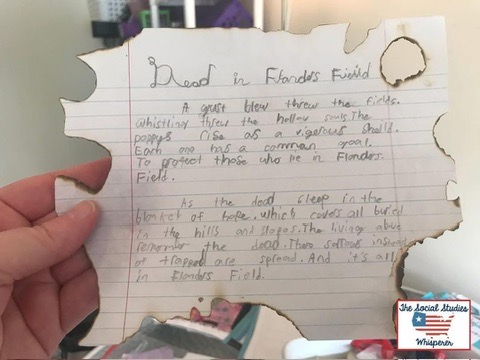
- “In Flanders Field” https://www.loc.gov/item/19004006/
- “America the Beautiful” and more https://www.loc.gov/collections/patriotic-melodies/articles-and-essays/america-the-beautiful/
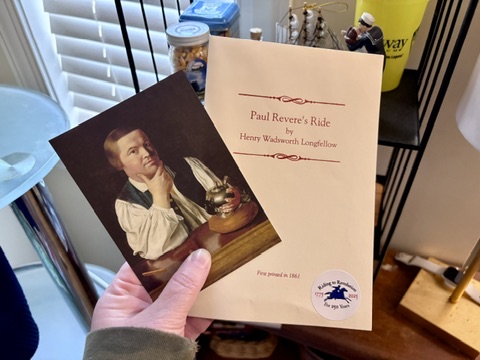
- “Paul Revere’s Ride” https://www.paulreverehouse.org/longfellows-poem/
I recently visited Boston and learned a lot about this poem, Henry Wadsworth Longfellow, and Paul Revere. Definitely worth some research and class time whether you teach the American Revolution or not. It was written many years after the famous “midnight ride.”
Ways to Fit Writing More Poems into Instruction
I know your first thought is “There aren’t enough hours in the day to be having students write poems.” Your mini-me creatives will LOVE getting any chance to do it. Substitute writing poems for reading poems for morning work, stations, or early finishers. Some of your students are going to hate it. That’s ok. Give them more structure with templates. I guarantee you are going to have at least one student that is going to become obsessed. I personally feel that way about acrostic poems which we will get to shortly. Give those students more freedom with writing.
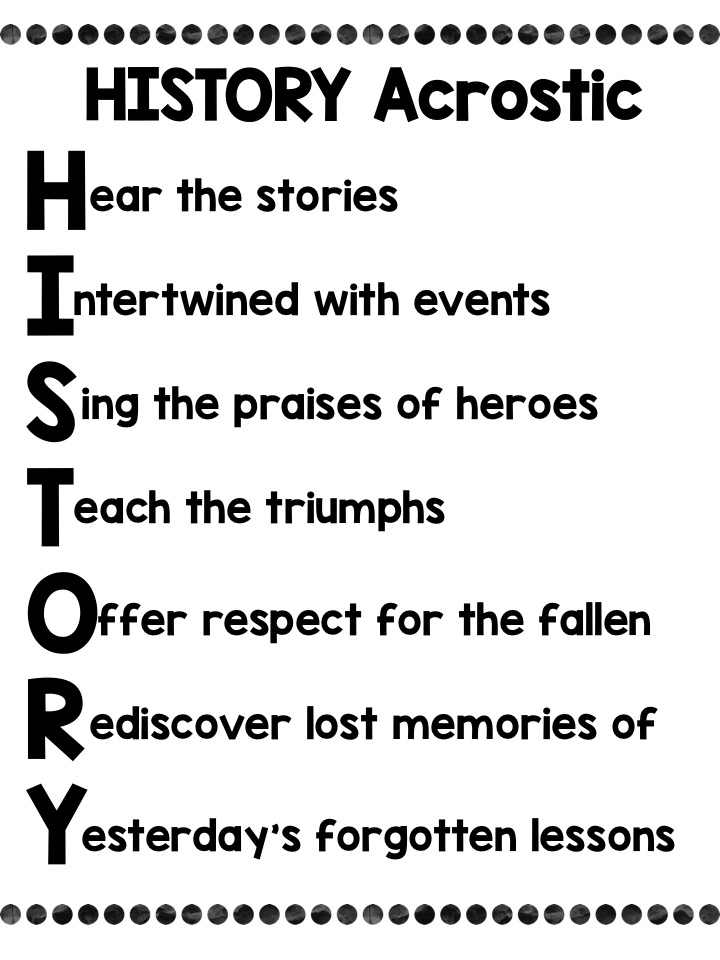
Any type of poem type would work but I feel like some types are a natural fit. Haikus and acrostic poems are my two favorite types of poems to write about historical topics and themes. Haikus give students a real structure and require thinking outside of the box to match the 5/7/5 syllable format. Acrostics (where a word/words are spelled vertically at the start of each line challenge you to summarize a topic. I had students do an Acrostic Poem project as review at the end of the year. Here is an example of an acrostic.
More About Incorporating Poetry into Projects

Do I have a Teachers Pay Teachers store with some projects? Yes. Is this a short bait and switch to sell you those? Nope. I hope this post to be a stand alone and of value. If you’re interested you can find them in The Social Studies Whisperer store (https://www.teacherspayteachers.com/store/the-social-studies-whisperer). Many of my resources are editable and sometimes it’s good to have things already created. Ok, enough about that.
My favorite type of project is a choice board. Once again, I always incorporated literacy options. You can set up your choice board to have certain requirements or keep it more open-ended. Choice boards are great right before a holiday or at the end of the year. You can still inspire and encourage creativity the last day of school. What better time? I have the makings of a poetry project that I never finished as a TPT resource per se that I will include below this poem that was inspired by Langston Hughes “Dreams.” You can easily find an “I Am” Poetry template on Pinterest. Pretty sure I found a freebie for that on TPT.
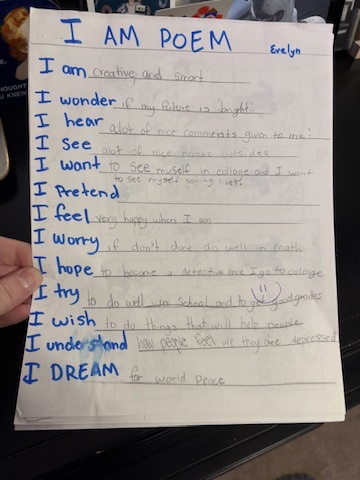
Sample Poetry Project (Customize with Social Studies Themes/Eras)
Part 1: Poet Research
Select a poet from the attached list to research (provide a list). If you include contemporary poets who write about historical events, students could possibly email them. Write a 5 sentence paragraph about the poet’s style, interesting facts, and what about their poetry appeals to you. Include the names/links to some your favorite poems by them.
Part 2: Poems/Speeches from History
Use the list of poems/speeches with the Close Reading passages above as a start. I’d give students guidelines for how many poems to find or assign a certain era. You could make this whole project about The Civil War or WWII for example.
Let’s go back in time. What historical event inspired the poem? Poet’s connection to the event? Intended audience? Tone, mood? Style?
Part 3: Original Poetry
Create a mini Poetry Notebook with a collection of at least 10 original poems by YOU! Try out different styles! Below you will find a list of some sample types of poems that you could choose from. Of course there are many more! Feel free to make your poems about the same theme or about different topics. Be creative! Include illustrations for each poem. Also make sure you include at least 3 examples of figurative language.
Sample Types of Poems
- Free verse
- Haiku (limit amount because these are obviously short)
- Ballad
- Limerick
- Acrostic
- Sonnet
- Concrete/Shape
- Couplet (must have a least 6 lines)
- Quatrain (have two stanzas)
- Cinquain
- Diamante
Part 4: Poetry Slam/Poetry Display Choice
Of course this part is teacher’s choice! I’ve done oral presentations and gallery walks. You know your students and what works for them. Gallery walks are less pressure than getting up in front of the class. Some of your “performers” would love to share a poem and other students are going to panic. Make this be a fun celebration!
I’d love to know if you utilize any of these ideas or any of your own ways you incorporate poetry! Tag me on the ‘gram (Find me @andrearunnels). This year during National Poetry Month, I wrote and/or shared an original poem everyday mostly involving American Hisory. That’s an easy time to increase poetry consumption and output. Here is my compliation post: https://www.thesocialstudieswhisperer.com/2025/07/national-poetry-month-collection-vol-1/
I mean Wix is a free platform for creating websites…you might have a student devote a website to poetry or you could create a class poetry sharing hub (with no personally identifying information of course). Canva is a fun way to illustrate poems!